
Many roleplaying enthusiasts spend too much time giving their attention to the rules of the game. There is not enough attention given over to the method of play nor the world of the play, nor indeed the experience of playing the game. This attention misplacement has fuelled the industry of roleplaying rules publication but stunted the experience of playing in and exploring fantastic realms.
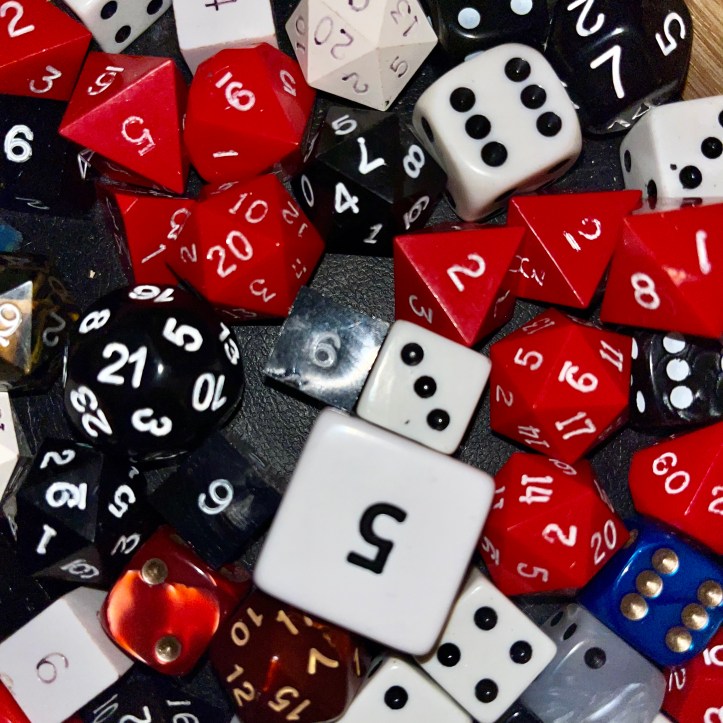
Yesterday, I revealed my approach to creating a new roleplaying game experience as beginning apophatically. Today, I will assert that I find deeper richness in the experience of playing when I put the rules part of the RPG chimaera last. It is not the rules which will make your experience of play better; it is the exploration of the world through an appropriate mix of methods to which the rules are made servant.
How can I know which rules, or subset of a given collection of rules, will serve the needs of the game best until I have first created the world of the game? But before I can imagine a world, I am well served to consider the experience I am seeking within the range of possible fantasy worlds we might conceive.
There is a world of difference between the fantasy wherein I desire to plumb dungeon depths in search of treasure and one wherein I explore what it feels like to live in a spirit-filled forest. By way of analogy, I would not presume to use the tools of carpentry to make an enriching meal for guests at my home; neither would I seek to build a bookshelf using spatulas and spoons.
Each particular creative endeavour has a different character. Just as there is a world of difference between playing in a rock band and playing in a jazz band, and certainly greater difference were we to participate in an orchestral performance of Bach, all of these are still music. So it is with RPGs: there are many varieties, all of which are ‘not done’, so to speak, in very different ways.
It’s defining what does not fit with this particular game that is more valuable, at least in the first instance, than what does. We cannot discover the rules we need until we have cleared the ground of the materials we do not need. The sculptor clears the space of all except the stone with which they will work and the tools which they will use. The revealing of the creation within the stone comes from removing the excess.
That’s why working with a toolkit system is proving more useful to me than working with a predesigned collection of rules around which is built someone else’s imagined fantastic world. On the contrary, I would prefer to begin with the toolkit laid to one side and first clear the space of those things I do not need. Then I can imagine a new world of my own and begin to construct the game I wish to offer my friends with just the tools I need.
Game on!
 Roleplay Rescue’s Blog
[…] don’t need the mechanisms first. We need the animate beings who emerge from our worlds. We need them to act and interact. Only when […]
LikeLike